
#009 - [ TUNNEL VISION ]
the reality is that quality lives in the process, the relationship, the standards, the communication, and the control systems you build… not where you make the product.
i think it’s time to talk about a major issue i keep seeing in designers, especially once they start moving from “concept” into “production,” and that’s tunnel vision. its one of those things i could talk about all day, but for this week i want to focus on how it shows up specifically in manufacturing, because i genuinely think it’s dangerous in a way people don’t realize until it costs them money, time, and momentum. i’ll see designers develop this ego-driven belief that LA manufacturing, or domestic manufacturing in general is automatically the end-all-be-all for quality, as if geography alone guarantees consistency, craftsmanship, and professionalism, and i just don’t think that’s true at all.
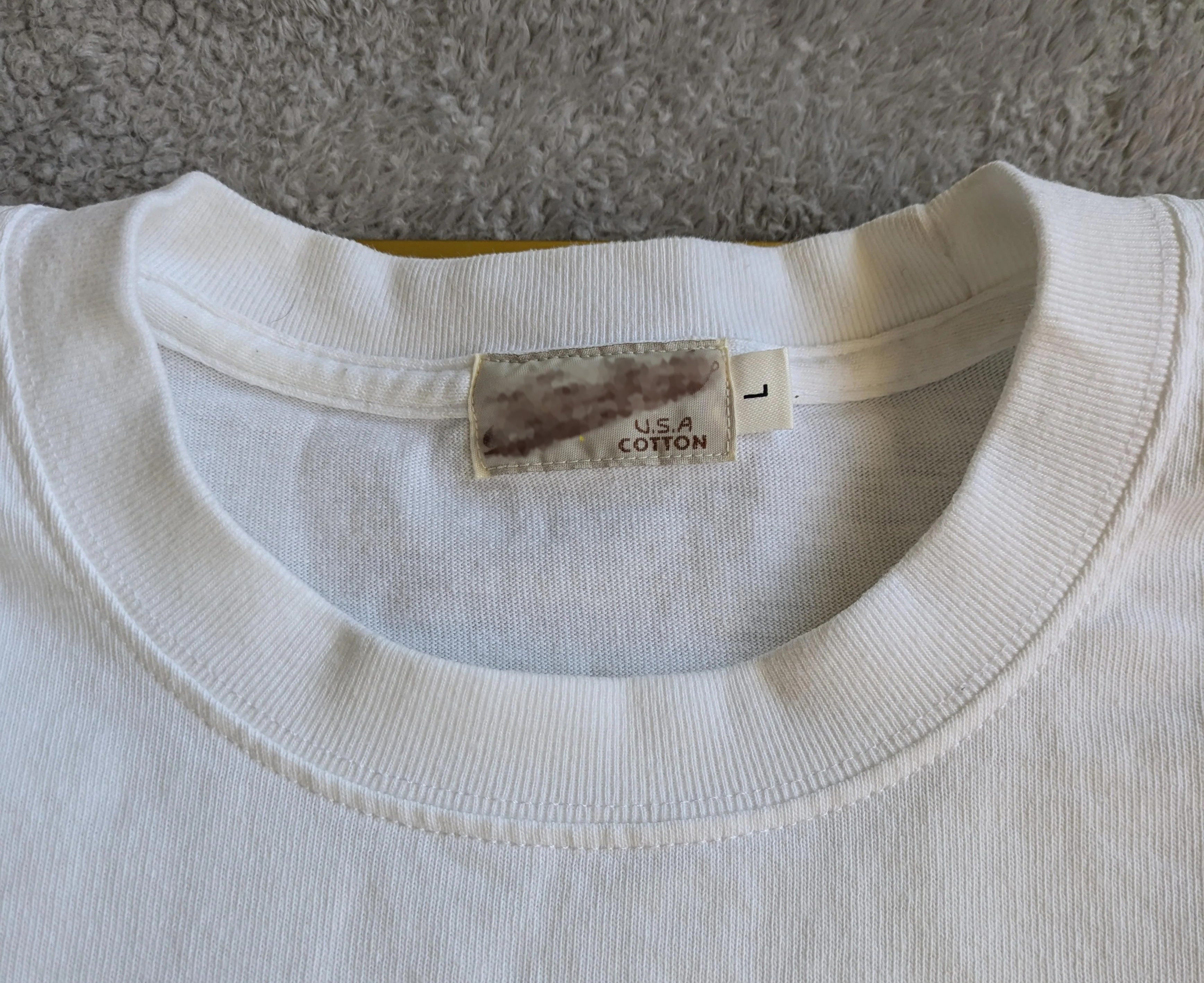
what bothers me isn’t that people want to manufacture locally… there are real reasons to do it, and when it’s done well it can be incredible. the control you have over the process is undebatable. it’s the way “domestic” becomes a shortcut for “better,” and “overseas” becomes a shortcut for “cheap,” when the reality is that quality lives in the process, the relationship, the standards, the communication, and the control systems you build… not where you make the product.
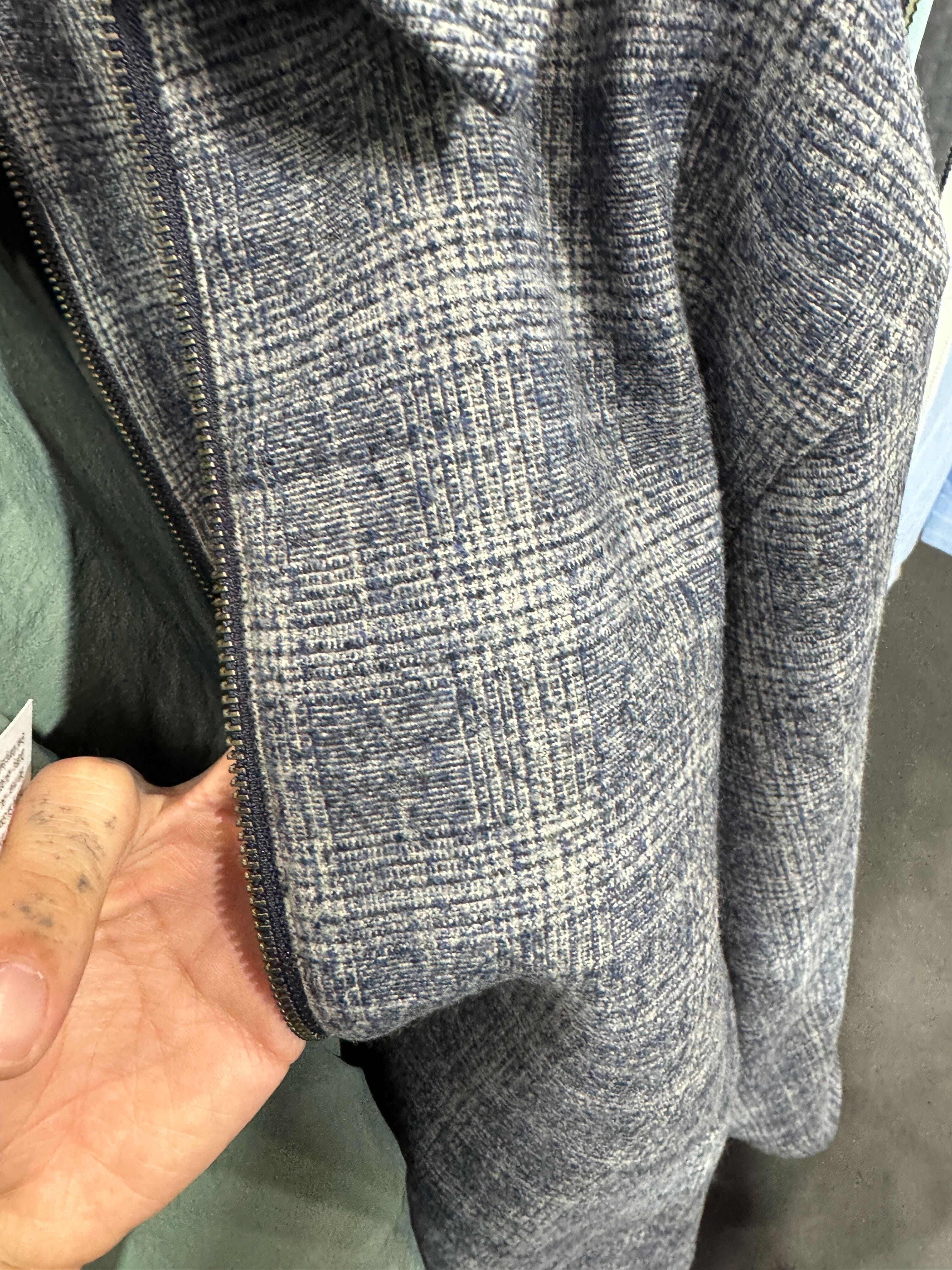
for me, this perspective is personal, because i was born in china, and i grew up with a much more realistic idea of what chinese manufacturing actually is. i’ve seen how advanced it can be, how specialized certain regions are, and how deep the knowledge goes when you’re working with people who have been doing a single craft at scale for decades. so when i hear people speak about overseas manufacturing like it’s automatically inferior, it reads less like a business decision and more like a lack of exposure… and, in a lack of better words, it feels ignorant.

and i’m not saying overseas manufacturing is perfect, because it isn’t. a lot of overseas production can absolutely be lacking, and anyone who has done it knows the pain points: miscommunication, inconsistent QC, wrong materials, scope creep into oblivion, and a million small issues that snowball into a bigger one. but i’m of the mindset that those problems aren’t proof that “overseas is bad,” they’re proof that product design and quality control are non-negotiable, and if you don’t build those systems, your outcome will be a gamble no matter where you make it.
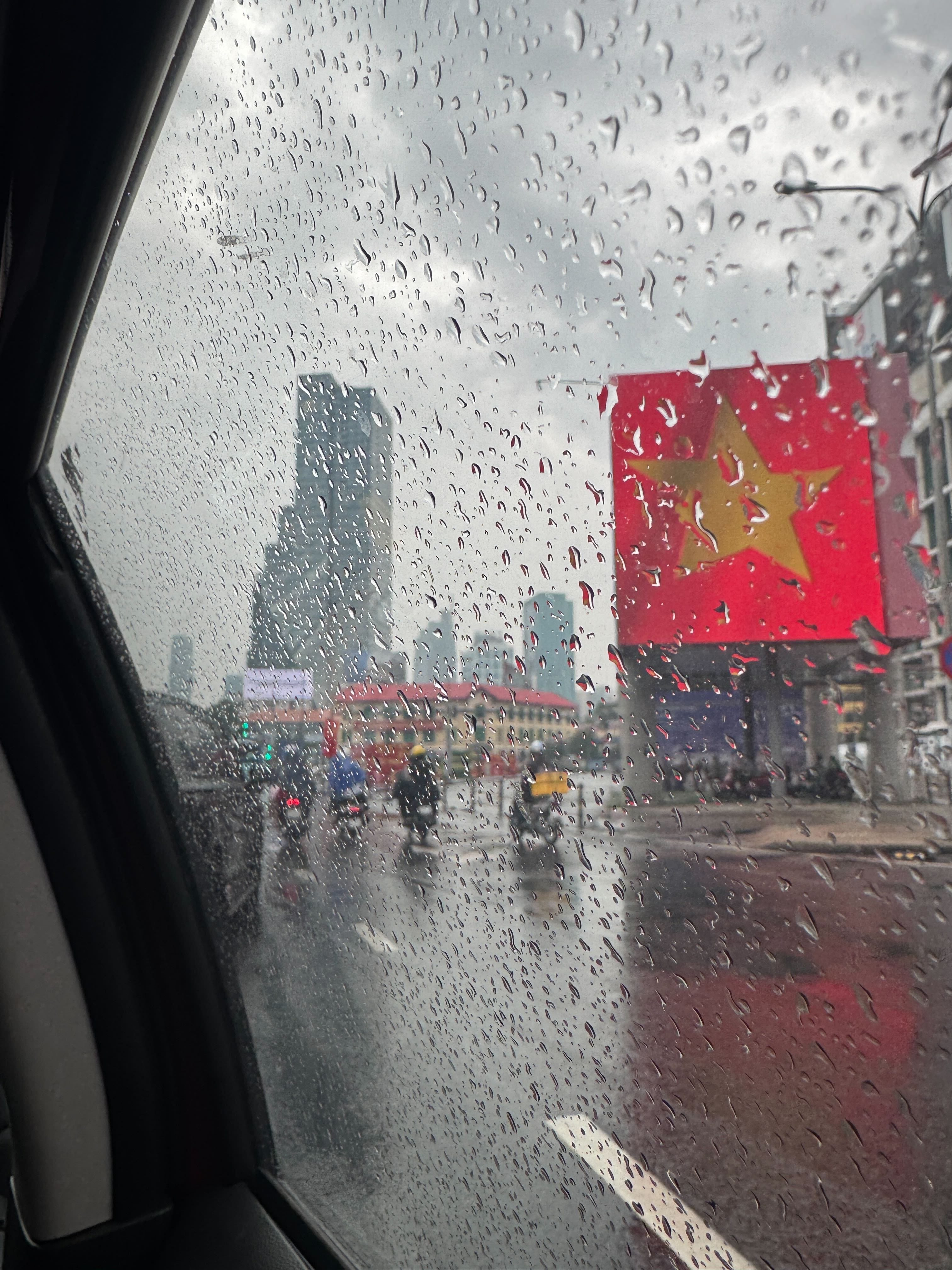
that’s why this week i’m traveling to vietnam. i’m going to experience not just their emerging fashion scene, but also the congregation of one of the largest textile trade shows in the world, because i want to keep widening my understanding of what’s possible when you stop assuming your local bubble is the only path to good work. i want to see how different places approach craft, sourcing, and production, and what kind of materials and methods are being developed outside the usual conversations we all get trapped in.
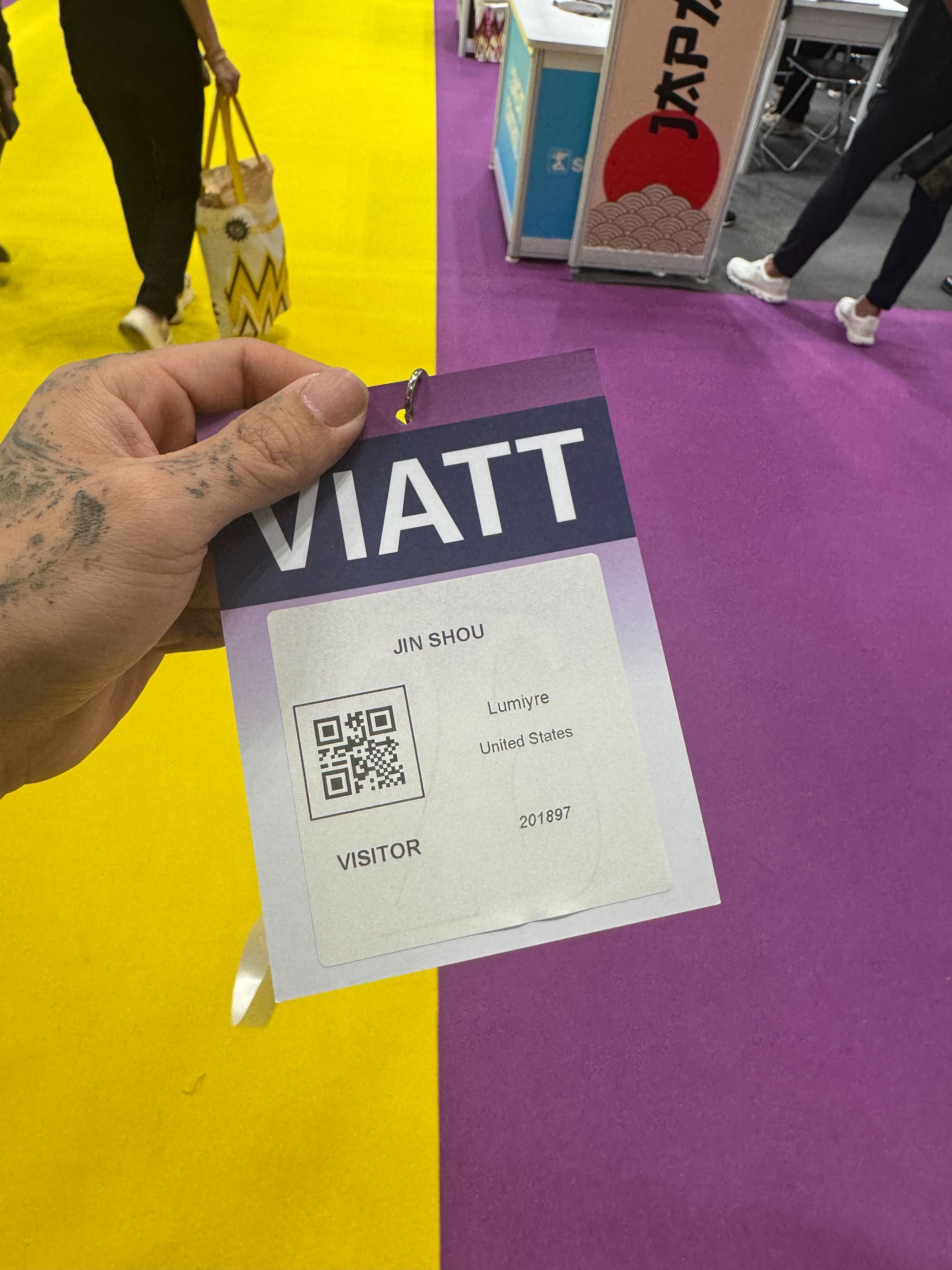
and honestly, the reason i’m excited is simple: at the end of the day, i keep seeing these amazing fabrics at trade shows that are being made all around the world, and it reminds me that the real skill isn’t declaring where quality lives — it’s learning how to recognize it, communicate it, and enforce it through process. if you can do that, you can make great work anywhere, and if you can’t, you can make disappointing work anywhere too.